
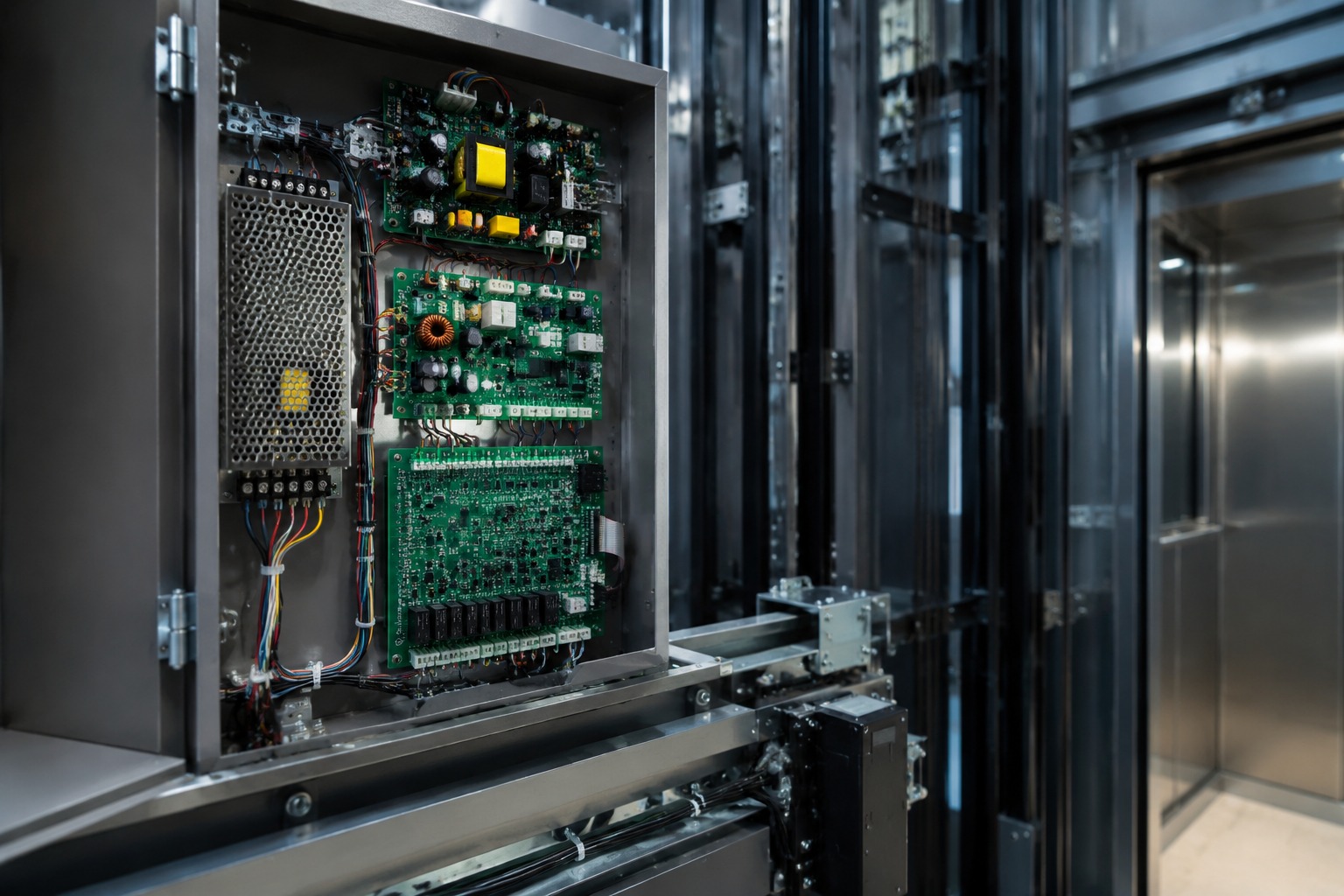
Switching power supply boards are critical to stable elevator operation because they convert incoming electrical power into the controlled DC voltages needed by control circuits, communication modules, sensors, door systems, and safety-related electronics. In the Philippines, where elevators operate in high-rise offices in Makati, residential towers in Quezon City, hotels in Cebu, mixed-use projects in Bonifacio Global City, and industrial facilities near Cavite and Laguna, stable low-voltage power is essential for dependable lift performance. When a switching power board becomes unstable, the result may not always be a complete shutdown at first. It can begin with intermittent faults, unexplained controller resets, noisy communication, weak relay action, or erratic door behavior before larger failures appear.
For maintenance companies, modernization contractors, distributors, and building owners, choosing the right elevator switching power supply board is not only about replacing a failed part. It is also about verifying model compatibility, checking voltage output under real load, protecting the board during shipping from international and domestic routes, and creating a repeatable installation workflow that reduces call-backs. This guide explains where these boards are used, how AVR HGE MCA board compatibility should be checked, what output and load tests matter most, which warning signs indicate board failure, and how service teams in the Philippines can stock replacement units more efficiently.
In practical field work, technicians often deal with multiple elevator brands and varying site conditions. Some projects in Metro Manila face unstable utility conditions, while coastal locations such as Davao, Iloilo, Batangas, and Subic may also introduce humidity and logistics concerns during transport and storage. A reliable sourcing partner helps reduce downtime by confirming board codes, matching connectors and voltage ranges, inspecting quality before dispatch, and using protective packaging that lowers transit risk. For teams looking for replacement options, a switching power supply board for AVR HGE MCA applications can be part of a broader maintenance plan rather than a last-minute emergency purchase.
Direct answer: why these boards matter in elevator systems
A switching power board supports reliable elevator electronics by delivering regulated DC output from an AC source with higher efficiency, lower heat generation, and better voltage control than many older linear solutions. In elevator systems, the board typically feeds the main controller logic, communication interfaces, display circuits, safety input lines, relays, inspection circuits, and in some cases door operator electronics. If the output is clean and stable, the control system can interpret sensor signals accurately and operate consistently. If output is unstable, many unrelated elevator faults may appear even when the true root cause is the power board.
This is especially relevant in the Philippines, where building managers expect minimal downtime in office towers, malls, hospitals, hotels, transport hubs, and residential developments. A properly matched switching power board helps protect boards downstream, supports smoother restarts after interruptions, and improves service predictability for maintenance teams. In modernization work, replacing an aged or weak power board can also improve overall controller stability even without a full system upgrade.
Market context in the Philippines
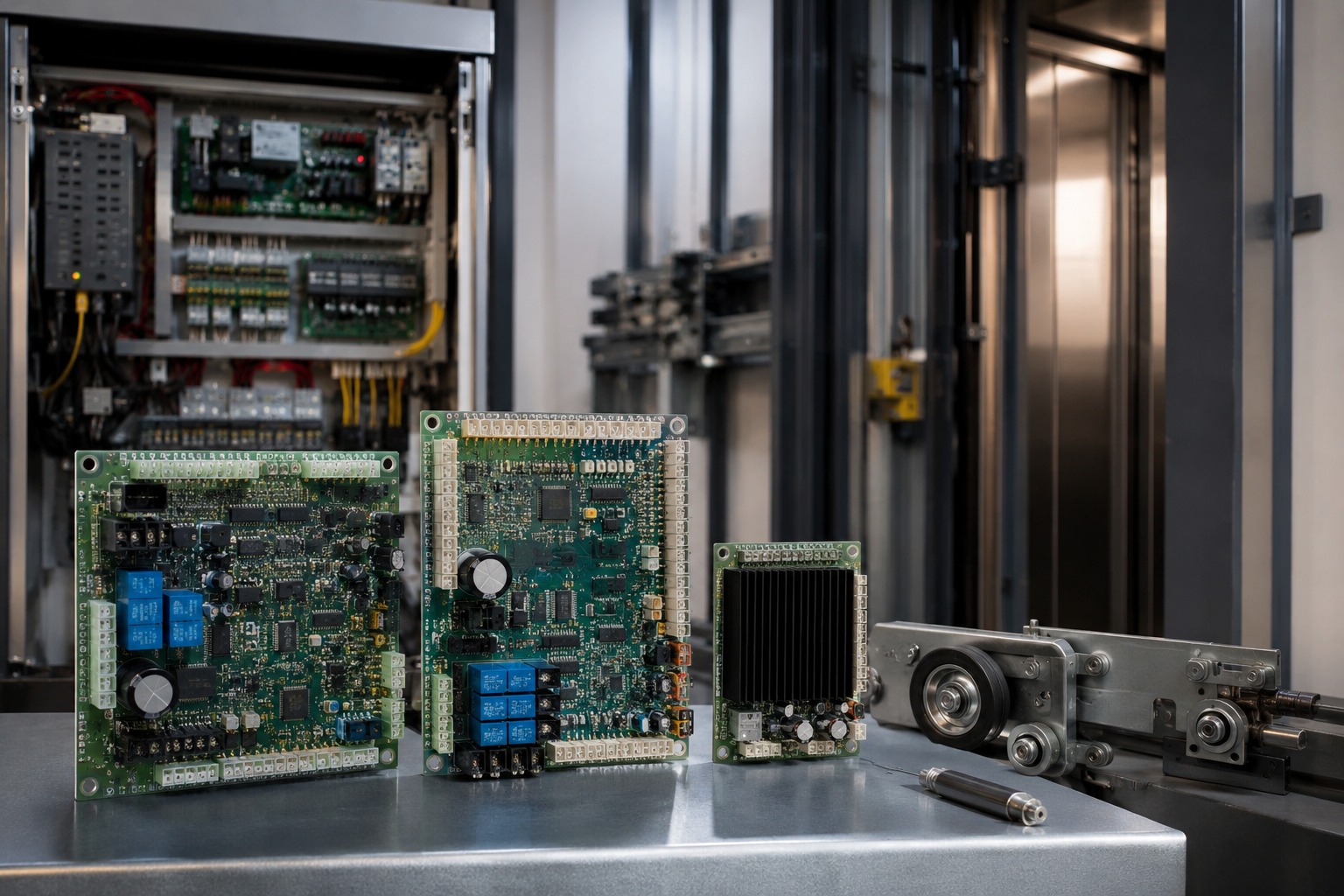
The elevator service market in the Philippines continues to expand with urban vertical development in Metro Manila, Cebu, Davao, Clark, Bacolod, and Iloilo. Demand comes from new buildings, modernization of older units, and lifecycle maintenance of installed elevators in commercial and residential properties. In this environment, spare parts availability matters. A failed switching power board can leave an elevator offline until the correct compatible unit arrives, especially if the project requires a specific AVR, HGE, MCA, or brand-related matching process.
Service companies working around major trade hubs such as Manila Port, Batangas Port, and Cebu Port often balance cost, lead time, and reliability. Some prioritize emergency stocking for common models; others prefer scheduled procurement based on maintenance records. Because a power supply board is a relatively compact but high-impact component, it is one of the parts many experienced teams consider for local stocking. This is particularly true for buildings with older control systems or sites exposed to fluctuating power quality.
The line chart above reflects a realistic demand trend: not explosive, but steadily rising as more elevators enter service and more aging installations require board-level replacement. For maintenance planners, this means longer-term procurement strategies are becoming more important than reactive buying alone.
Product types and selection overview
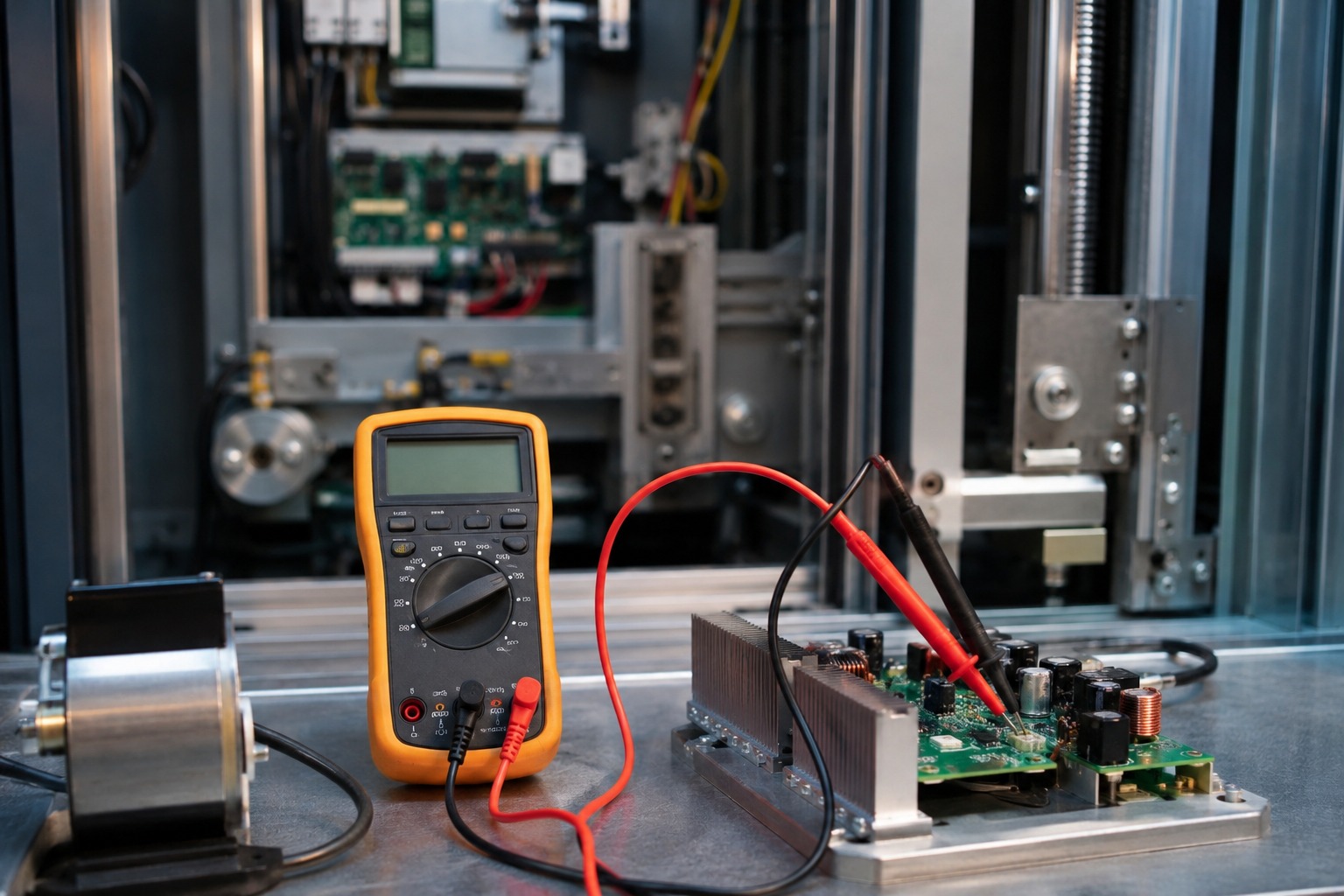
Not all switching power boards are identical. Some are designed for specific elevator control architectures, while others are selected based on output voltage combinations, physical size, connector format, mounting points, current capacity, and environmental endurance. In field replacement work, the safest process is to match by part number, board marking, output specification, connector layout, and application position within the elevator control cabinet.
| Board Type | Typical Function | Common Output Range | Where Used | Replacement Priority | Field Note |
|---|---|---|---|---|---|
| Controller power board | Feeds main logic and I/O circuits | 5V, 12V, 24V | Main control cabinet | Very high | Instability can trigger multiple unrelated faults |
| AVR power board | Supports regulated supply for specific control sections | 24V, 51V | Brand-specific control panels | High | Must confirm exact code and wiring |
| Door operator supply board | Powers door logic and sensors | 12V, 24V | Door control unit | Medium | Door faults may mimic mechanical issues |
| Display and COP supply board | Supports indicators, buttons, intercom sections | 5V, 12V, 24V | Car operating panel or display module | Medium | Useful for passenger interface stability |
| Communication supply board | Supports serial or network communication modules | 5V, 12V | Control cabinet network sections | Medium | Noise or ripple can affect data reliability |
| Auxiliary DC supply board | Feeds relays, sensors, accessories | 24V, 48V | Auxiliary circuits | High | Always verify loaded current requirement |
This table shows why replacement decisions should go beyond the simple label “power board.” The technician needs to understand what the board actually supports. A failed board in a communication section may show very different symptoms from a failed controller power board, even though both are power-related.
Where switching power boards are used
Switching power boards are used in multiple sections of an elevator system, not only in the main cabinet. Their most visible role is inside the control panel, where regulated outputs are needed for CPU logic, memory retention, I/O modules, relay drive sections, encoder interfaces, safety loop monitoring, and signal conditioning. However, in many elevators they also support car-top modules, display systems, car operating panels, intercom circuits, door controllers, and some landing equipment.
In older buildings in Manila and Cebu, service teams often find that recurring faults in hall indicators, car displays, or unstable door responses are connected to degraded power regulation rather than the visible accessory itself. In modernization projects, contractors may also replace power boards proactively when reusing part of an existing controller architecture. This can reduce the chance that newly installed boards are affected by unstable supply from an aging upstream module.
Applications commonly include:
- Main controller DC conversion for logic circuits
- Power support for AVR or regulation sections in brand-specific control boards
- Door operator and sensor supply
- Communication network and monitoring modules
- Display, COP, LOP, and intercom electronics
- Encoder, detector, and auxiliary relay circuits
For sourcing flexibility, some buyers review broader options such as elevator switching power supply board spare parts when exact board family identification is still under confirmation. This is useful during troubleshooting, provided final installation still follows exact compatibility checks.
AVR HGE MCA board compatibility
Compatibility is the most important factor in replacing an AVR HGE MCA board or similar switching power supply board used in elevator control systems. The terms AVR, HGE, and MCA may refer to a specific application family, control configuration, or board group depending on the manufacturer and project generation. Compatibility should never be assumed only from appearance. Two boards can look almost identical but have different pin assignments, output sequences, or current ratings.
The proper compatibility review should include the original board code, revision number, voltage input range, output values, connector positions, mounting dimensions, terminal labeling, and supported control system model. Photos of the front and back sides of the old board, close-up connector views, and the elevator brand/model details all help reduce mismatch risk. This is especially useful for maintenance teams in the Philippines that service mixed inventories of Hitachi, Mitsubishi, Toshiba, KONE, and other systems across different building ages.
| Compatibility Check Item | Why It Matters | What to Compare | Risk if Ignored | Best Practice | Verification Stage |
|---|---|---|---|---|---|
| Part number | Primary identity reference | Board label and invoice record | Wrong board family | Use exact code match first | Before quotation |
| Board revision | Revisions may change circuitry | Version mark or suffix | Partial function loss | Confirm interchangeable revisions | Before shipment |
| Input voltage | Protects board from incorrect supply | AC/DC input spec | Immediate damage | Check site supply and manual | Pre-installation |
| Output voltage | Must feed downstream circuits correctly | 5V, 12V, 24V, 51V etc. | Controller faults or non-start | Measure old and new board outputs | Bench and site test |
| Connector layout | Physical and electrical fit | Pin count and location | Miswiring | Match photo and schematic | Packing review |
| Mounting dimensions | Ensures cabinet installation | Hole spacing and board size | Improper fit or stress | Compare dimensions before dispatch | Order confirmation |
The explanation from this table is simple: every replacement should be treated as an engineering match, not just a spare part purchase. Many avoidable failures happen after an electrically “close” board is installed where an exact or verified compatible version was required.
For projects that need a known voltage range associated with this application family, buyers may also review an AVR power board with 24V and 51V configuration when matching a specific Hitachi-related requirement. The final decision should still be based on the original elevator board information and circuit requirement.
Voltage output and load checks
One of the most common mistakes in troubleshooting is checking output voltage with no meaningful load and concluding that the board is healthy. Many switching power supply boards can show nominal voltage in a no-load or very light-load condition while collapsing, pulsing, or producing excessive ripple once real operating current is demanded. For elevator systems, that difference matters because controller logic and relay circuits are sensitive to unstable supply conditions.
The recommended process is to measure input supply first, then output voltage at idle, then output voltage under connected operational load, and where possible check ripple, temperature rise, and stability during startup. If the elevator controller resets at door movement or during peak relay activity, the issue may point to insufficient regulation under transient load rather than a constant-voltage failure. This is why field technicians should look at dynamic behavior, not only static readings.
| Test Item | Normal Observation | Warning Sign | Likely Cause | Recommended Tool | Action |
|---|---|---|---|---|---|
| Input voltage | Within board spec | Too high or too low | Site power issue or wiring fault | Multimeter | Correct supply before board replacement |
| 5V output | Stable and near rated value | Drop during operation | Weak regulation or overload | Multimeter and oscilloscope | Check load and replace if unstable |
| 12V output | Consistent under switching events | Fluctuation or ripple | Capacitor wear | Oscilloscope | Inspect downstream load and board health |
| 24V output | Stable relay and sensor support | Relay chatter | Current shortage or ripple | Clamp meter and multimeter | Verify current draw and output stability |
| 51V output | Matches required section design | Low value under load | Switching stage degradation | Multimeter | Replace with matched board |
| Temperature behavior | Warm but controlled | Rapid overheating | Overload or internal fault | Infrared thermometer | Stop operation and inspect |
The table demonstrates that voltage values alone are not enough. A full output and load review helps determine whether the board is failing, overloaded by another component, or being affected by poor site supply. In service practice, this can save time and prevent unnecessary replacement of otherwise good control boards.
Common power board failure signs
Most failed switching power boards do not begin with obvious burning or a complete loss of output. In many cases, early signs are intermittent. Elevator technicians may observe random controller restarts, inconsistent door behavior, weak display brightness, false fault codes, communication dropouts, or relay chatter. These symptoms can appear on busy days with heavy traffic in office buildings or during humid conditions in coastal locations, making diagnosis harder unless the power board is checked directly.
Visual inspection still matters. Swollen capacitors, darkened PCB areas, cracked solder joints, corroded terminals, loose connectors, or residue from moisture exposure can all indicate risk. In the Philippines, high humidity, dust accumulation, and cabinet ventilation issues may accelerate aging, especially in installations where maintenance intervals have been stretched or cabinet sealing is poor.
| Failure Sign | What You May Notice on Site | Severity | Possible Root Cause | Immediate Check | Recommended Response |
|---|---|---|---|---|---|
| Intermittent controller reset | Lift restarts without clear pattern | High | Output dip under load | Measure voltage during operation | Replace or isolate board after testing |
| Relay chatter | Clicking sound and unstable switching | High | 24V instability | Check 24V output ripple | Confirm power board condition |
| Dim or flickering displays | COP or indicators become weak | Medium | 12V or 5V weakness | Check display supply branch | Inspect board and connectors |
| Burn mark or odor | Visible heat damage | Critical | Overload or internal short | Disconnect safely and inspect | Do not re-energize without analysis |
| Overheating | Board too hot during short run time | High | Aging components or overload | Measure temperature and current | Replace and inspect downstream circuits |
| Corrosion or moisture trace | Green residue or rust nearby | Medium to high | Humidity exposure | Inspect cabinet environment | Replace board and improve protection |
This table is useful because it ties visible symptoms to practical actions. A board may be only one part of the problem, but when several of these signs appear together, the switching power supply board becomes a primary suspect in the fault chain.
Buying advice for maintenance and modernization teams
Buying elevator power boards should follow a controlled process rather than a generic electrical parts approach. The best buyers collect original board photos, code labels, voltage requirements, elevator brand information, cabinet location, and fault description before requesting quotation. This improves matching accuracy and speeds up response. For modernization contractors, it is also wise to identify which boards are strategic spares before the project starts, especially if the site is remote or if a building cannot tolerate prolonged downtime.
In the Philippines, lead time planning matters. Projects in Metro Manila may allow faster delivery, but buildings in Visayas and Mindanao often benefit from pre-arranged spare policies. If the board supports a high-importance circuit, paying slightly more for a tested, well-packed, accurately matched unit usually costs less than repeat visits, passenger inconvenience, and temporary shutdowns.
Industries that rely on stable elevator power supply boards
Demand for reliable switching power boards is strongest in sectors where elevator uptime directly affects operations, safety, or user experience. Hospitals, hotels, residential towers, commercial offices, shopping centers, transport terminals, and manufacturing facilities all depend on stable control electronics. In hospitals, unstable elevator operation can affect patient movement. In hotels and malls, downtime quickly becomes a customer experience issue. In logistics and factory sites, goods lifts and service elevators often require dependable control power to maintain flow.
The chart indicates that hospitals, office towers, and malls often generate stronger replacement demand because they combine high elevator utilization with low tolerance for downtime. Residential towers also represent a large service market, especially in dense areas such as Quezon City, Pasig, Mandaluyong, and Taguig.
Applications in daily field service
In day-to-day service work, switching power boards are often evaluated during recurring shutdown calls, unexplained electronic faults, door control issues, weak panel functions, or after visible power disturbances. They are also part of preventive inspection in high-risk sites. Many experienced technicians include thermal checks, connector inspection, cleaning, and output measurement as part of scheduled maintenance for older elevators.
Another practical application is fault isolation during modernization. If a controller upgrade is partial rather than complete, power board condition can determine whether the retained sections will remain stable. Replacing a weak board at the same time often prevents post-upgrade reliability complaints.
How to protect boards during shipping
Shipping protection is not a minor detail. A switching power board can be electrically perfect before dispatch and still fail after poor handling if it is exposed to electrostatic discharge, bending stress, impact, moisture, or compression. For Philippine buyers receiving goods through Manila, Cebu, Davao, or inland distribution routes, the packaging method matters because the board may pass through multiple handling points before final installation.
Best protection includes anti-static packaging, foam support, rigid carton structure, moisture barrier, clear labeling, connector protection, and prevention of board flex. For long-distance shipments or coastal routes, additional moisture control is highly recommended. This is especially important during rainy months or for inventory stored before use.
| Packaging Element | Purpose | Risk Reduced | Best Use Case | Field Benefit | Priority |
|---|---|---|---|---|---|
| Anti-static bag | Protects sensitive electronics | ESD damage | All board shipments | Reduces invisible electronic failure risk | Essential |
| Foam cushioning | Absorbs impact | Cracks and solder stress | Courier and air shipments | Board arrives physically stable | Essential |
| Rigid inner box | Prevents bending | PCB flex damage | Fragile or larger boards | Maintains connector alignment | High |
| Moisture barrier | Limits humidity exposure | Corrosion and condensation | Sea freight and coastal storage | Useful in Philippine climate | High |
| Connector cap or protector | Shields pins and sockets | Pin deformation | Boards with exposed terminals | Speeds clean installation | Medium |
| Shock label and handling mark | Improves transport awareness | Rough handling | Long logistics chain | Supports claims and care | Medium |
This packaging table explains why reliable suppliers focus on more than sourcing alone. Protective packaging directly affects installation success rates, especially for replacement parts that must work immediately on arrival.
Installation testing workflow
A repeatable installation testing workflow helps service teams avoid accidental damage and reduces return visits. Before removing the old board, document wiring, connector orientation, fault codes, and measured outputs if the board is still partially alive. After isolating power safely, compare the old and new board physically. Confirm mounting, connector positions, and labels. Install carefully without forcing connectors. On first energization, measure input and output values before loading the system fully. Then proceed to controlled functional tests.
The workflow should include no-load checks, loaded checks, controller startup verification, door operation test, leveling behavior review, display and communication confirmation, and a short observation period under repeated cycles. If the board is part of a critical control chain, the technician should record the final readings for maintenance history.
- Confirm exact part number and revision before opening package.
- Inspect packaging condition and check for transit damage.
- Record old board label, photos, fault history, and measured values.
- Isolate power and discharge safely according to site procedures.
- Compare mounting holes, connectors, voltage markings, and orientation.
- Install the new board with proper connector seating and clean terminals.
- Apply power and measure input/output voltage before full operation.
- Run startup sequence and observe controller stability.
- Test door open/close cycles, display behavior, and call registration.
- Monitor temperature and repeat several operation cycles before handover.
This workflow is particularly useful for distributed service teams operating across Luzon, Visayas, and Mindanao because it standardizes quality regardless of technician location.
Stocking power boards for service teams
Stocking strategy should be based on installed base, fault history, lead time, and customer uptime requirements. Service companies with many similar elevator models often keep common switching power boards locally. Others maintain a central warehouse in Metro Manila and ship to field branches in Cebu or Davao as needed. The right approach depends on service geography and contract response commitments.
Boards worth stocking are those with high failure impact, moderate replacement frequency, and reliable model identification. Keeping one or two correctly matched spares for high-density brands or common control platforms can significantly reduce downtime. However, overstocking low-movement boards ties up capital and may create version mismatch if systems are modernized later.
The area chart shows a practical trend: service teams are moving from emergency-only ordering toward planned stocking. This shift is driven by stricter uptime expectations, more complex compatibility requirements, and the desire to reduce project interruption.
Case studies from the Philippine market
Consider a residential tower in Pasig with intermittent controller resets that became more frequent during evening peak use. Initial suspicion focused on communication modules, but output checks showed the 24V supply dropping during relay demand. After replacing the matched switching power board and confirming stable loaded voltage, the resets stopped. In this case, the board was not completely dead; it was failing only under operating load.
In another example, a hotel in Cebu experienced repeated door-related alarms. The mechanical team adjusted the door system several times with limited improvement. A power check later found unstable low-voltage output feeding the door control section. Once the supply board was replaced and the connectors cleaned, the alarms were eliminated. This shows why power quality should be part of any recurring electronic fault investigation.
A third example involved a modernization contractor in Makati managing an older mixed-use building. To avoid delays, the team pre-identified high-risk electronic spares, including a controller power board and an AVR-related board. Because compatible stock was available and the replacement workflow had been standardized, commissioning stayed on schedule even after one aged board failed during test runs.
Local supplier expectations in the Philippines
Local buyers usually expect fast communication, model matching support, clear photos, practical lead time updates, and secure packaging. For elevator electronic boards, they also expect some level of pre-shipment inspection because site replacement labor is costly. The best suppliers understand that the buyer often needs more than a box with a label. They need confidence that the board is compatible, protected, and supported by responsive service if additional information is required during installation.
The comparison chart highlights the buying priorities seen in real service work. Model matching and quality inspection rank especially high because they directly affect whether the replacement succeeds on the first visit.
Our technological capabilities
Our work with elevator parts focuses on accurate model matching and practical technical review for maintenance and modernization needs. For switching power boards and related control electronics, we support buyers by checking board codes, connector layouts, voltage specifications, and application details before dispatch. This helps reduce mismatch risk in projects involving different elevator brands and control generations. We also understand that many customers in the Philippines are dealing with urgent downtime situations, so product identification support must be clear and efficient rather than overly theoretical.
Because elevator electronics can have visually similar boards with different electrical roles, our technical approach emphasizes confirmation from board markings, photos, and usage position. This is especially important for AVR HGE MCA-type applications and for projects where 24V and 51V outputs are part of the requirement. By helping buyers verify these details early, we support safer replacement planning and more reliable site outcomes.
Our manufacturing capabilities
On the product side, we prioritize stable sourcing, careful quality inspection, and protective packaging for elevator control boards, power supplies, and related lift accessories. For electronic boards, inspection attention includes appearance consistency, connector condition, labeling clarity, and basic pre-shipment review according to the product category. Protective packaging is treated as part of product quality, not an afterthought, because shipping stress can damage electronic assemblies before they reach the job site.
This approach is valuable for customers ordering to the Philippines, where goods may move through international transport, local hubs, and regional delivery routes before installation. Strong packaging support helps preserve board condition from dispatch to cabinet installation, especially for sensitive switching power supply boards.
Our service capabilities
Service support is built around responsive communication, practical quotation handling, and assistance for replacement part sourcing across a broad range of elevator components. Many customers need more than a single item; they may be resolving wider control cabinet issues involving boards, sensors, encoders, buttons, door parts, or communication accessories. By supporting these mixed requirements, we help maintenance companies and distributors simplify procurement and reduce downtime caused by waiting on multiple vendors.
For building owners and contractors, this means access to a supplier that understands elevator spare parts as an operating system rather than disconnected items. The goal is not only to sell a board, but to help customers obtain the right compatible replacement with stable handling and timely response.
2026 trends: technology, policy, and sustainability
Looking ahead to 2026, three trends are likely to shape demand for elevator switching power supply boards in the Philippines. The first is increased use of predictive maintenance and digital monitoring. As more buildings adopt connected service models, stable low-voltage power becomes even more important because communication reliability and sensor accuracy depend on clean supply. The second trend is tighter attention to energy efficiency and electrical reliability in modernization projects. Efficient switching designs with better thermal performance will remain attractive where cabinet heat, energy waste, and long operating hours are concerns.
The third trend is sustainability and lifecycle extension. Rather than replacing entire systems prematurely, many building owners are likely to pursue targeted modernization with selective board and accessory replacement. This creates demand for compatible spare parts that help keep existing elevators safe and functional. Policy attention to building reliability, safety compliance, and reduced operational disruption will support this shift. In practical terms, more buyers will ask for parts that combine compatibility, durable packaging, traceable specifications, and support for planned maintenance instead of emergency-only supply.
FAQ about switching power supply boards
What does a switching power supply board do in an elevator?
It converts incoming electrical power into controlled DC outputs needed by the elevator’s electronic systems, such as controller logic, displays, sensors, communication modules, and relay circuits.
How do I know if my elevator power board is failing?
Common signs include random resets, relay chatter, flickering displays, intermittent faults, weak door control response, overheating, or visible board damage. Proper testing should include output checks under load.
Can I replace a board with one that looks the same?
No. Visual similarity is not enough. You must confirm part number, revision, voltage input and output specifications, connector layout, and application position in the elevator system.
Why is load testing important?
A board may show correct voltage without load but fail when the controller, relays, or door circuits start drawing current. Load testing reveals hidden instability.
Should maintenance teams in the Philippines stock power boards?
Yes, for commonly used or high-impact models. This is especially useful for buildings with strict uptime requirements or sites outside major cities where emergency delivery may take longer.
What voltages are commonly checked?
Typical outputs include 5V, 12V, 24V, and in some applications 51V. The exact values depend on the elevator control system and board design.
How should these boards be shipped?
They should be packed in anti-static bags with cushioning, rigid support, and moisture protection. This reduces the risk of ESD, impact damage, and corrosion during transport.
Are switching power boards only used in the main cabinet?
No. They may also be used in door systems, communication modules, display sections, COP-related electronics, and auxiliary circuits depending on the elevator design.
What information should I send when asking for a replacement?
Send the board part number, clear photos of both sides, voltage markings, connector views, elevator brand/model, and a brief description of the fault. This helps confirm compatibility quickly.
Why choose a specialized elevator parts supplier?
Because elevator electronics require accurate model matching, stable sourcing, quality inspection, and careful packaging. Specialized support helps reduce downtime and replacement risk.
Final buying and service guidance
For elevator operators in the Philippines, switching power boards are small components with major operational impact. They support stable control circuits, accurate signal processing, reliable door behavior, and consistent passenger service. Whether the project involves an AVR HGE MCA board, a controller DC supply, or a specific 24V and 51V application, the right approach is always the same: confirm compatibility carefully, test voltage under real load, watch for early failure signs, protect the board during shipping, and follow a disciplined installation workflow.
For maintenance companies, distributors, building owners, and modernization contractors, a reliable supply partner adds value through technical matching support, dependable sourcing, packaging protection, and responsive communication. In a market shaped by dense urban growth, varied building ages, and high uptime expectations, that combination helps keep elevators operating safely and reduces avoidable downtime across Metro Manila, Cebu, Davao, and beyond.