
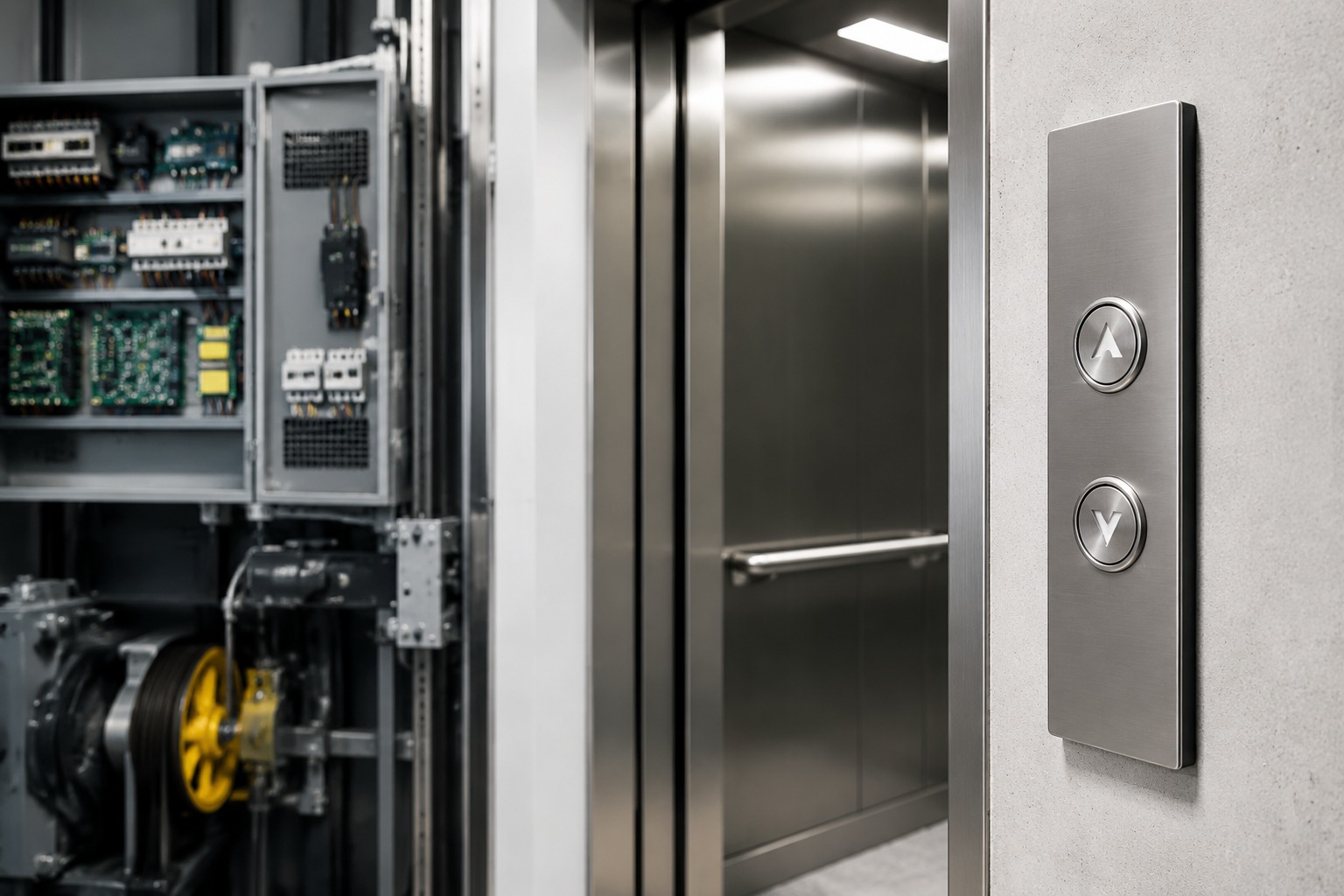
Elevator button panels do more than send a car to a floor. In the Philippines, where elevators operate in condominiums, offices, hospitals, malls, hotels, transport hubs, and mixed-use towers, the button panel directly affects daily convenience, response time, maintenance frequency, and the visual finish of the lift system. A poorly matched push button, hall call panel, or faceplate can lead to premature failure, intermittent signals, poor lighting visibility, or an uneven appearance that makes the whole elevator look older than it is.
For building owners and maintenance contractors, the practical question is simple: how do you choose the right elevator push button or outbound call panel without creating fitment or wiring problems? The short answer is to match the panel type, mounting dimensions, electrical rating, lamp or LED indicator style, faceplate finish, and brand-specific interface requirements before ordering. This is especially important in local markets such as Metro Manila, Cebu, Davao, Clark, Iloilo, and Bacolod, where many buildings combine imported elevator systems with locally handled maintenance and modernization programs.
This guide covers the most common elevator button panel types, round push button replacement notes, outbound call panel selection, box and faceplate compatibility, lighting and wiring checks, accessibility and durability factors, testing after installation, and frequently asked questions. It is written for maintenance companies, distributors, building engineers, purchasing teams, and modernization contractors that need reliable sourcing and better model matching for the Philippines market.
Across the country, demand is driven by residential high-rises in Quezon City and Taguig, hotel developments in Makati and Pasay, hospital upgrades in Cebu and Davao, and warehouse-office combinations near Batangas Port and Subic. These projects often require small but critical replacement parts that must match existing systems closely. A hall call station that appears similar at first glance may still differ in terminal layout, voltage, box depth, arrow lens design, or communication protocol. That is why careful selection saves both labor time and elevator downtime.
Philippines Elevator Parts Market at a Glance
The replacement market for elevator buttons and hall call panels in the Philippines is shaped by three major factors: a growing installed base of elevators, the age of many systems in commercial buildings, and the need for modernization without replacing the entire lift. In central business districts such as Makati, Bonifacio Global City, Ortigas, and Cebu IT Park, property managers increasingly prefer targeted component replacement when the controller and machine remain serviceable. Buttons, indicators, COP accessories, and outbound call panels are among the most common items changed during visual refurbishments and functional repairs.
Because the country relies on a combination of original systems, imported compatible parts, and project-based modernization work, product consistency matters. A supplier that can help verify dimensions, connector details, and indicator specifications reduces costly mismatches. In port-linked trade routes through Manila, Batangas, and Cebu, delivery timing and protective packaging also matter because cosmetic damage to stainless panels or lenses can delay installation.
The chart above reflects a realistic upward trend in replacement demand, supported by condominium turnover cycles, office tower maintenance contracts, and hotel refurbishment projects. For 2026, the market is likely to be influenced by stronger digital monitoring, stricter maintenance documentation, and higher expectations for visible passenger-facing components such as button panels and indicators.
Common Elevator Button Panel Types
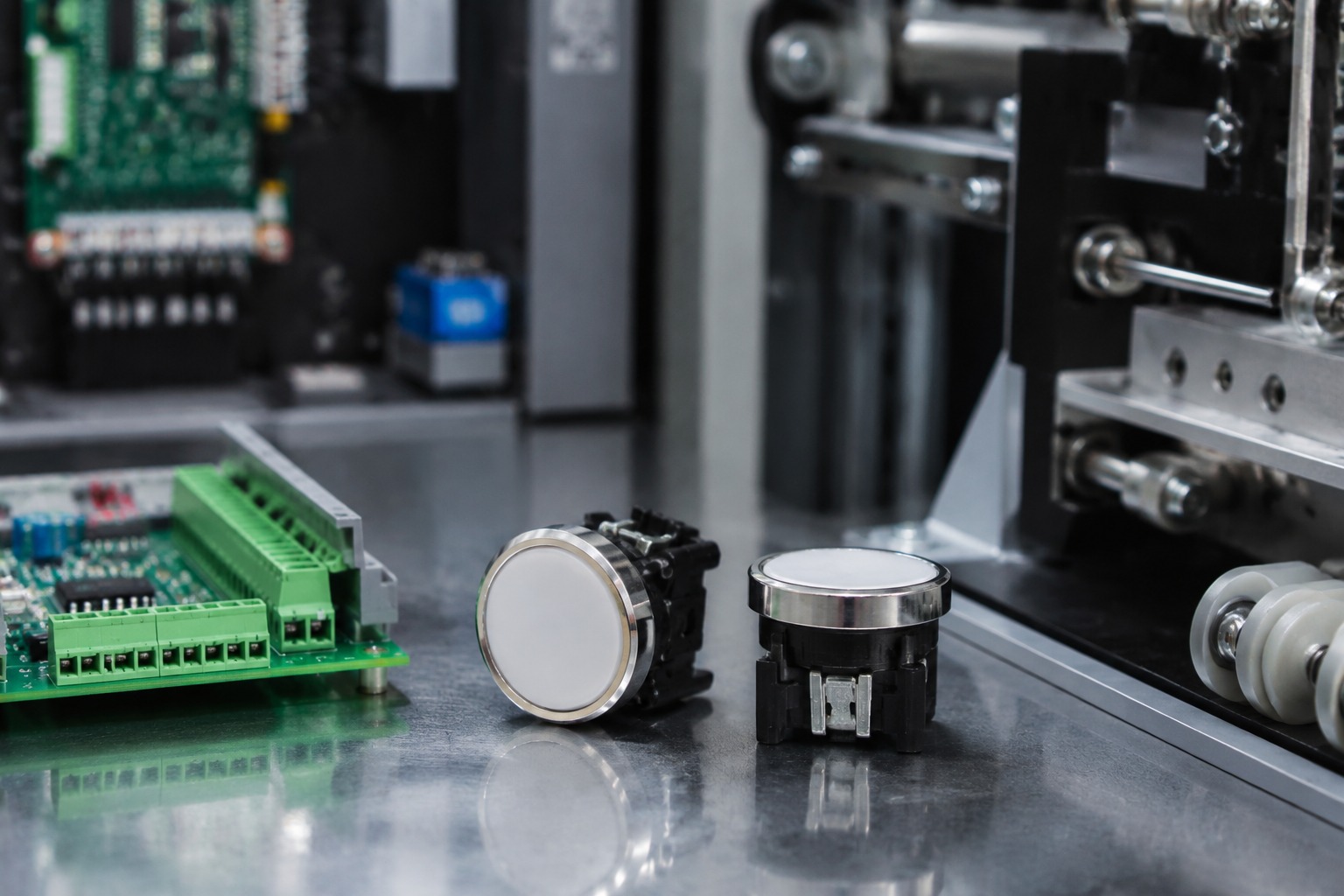
Elevator button panels generally fall into two practical groups: in-car operating panels and landing or hall call panels. Within those groups, the most common formats include round push buttons, square push buttons, integrated touch-style or sensor-assisted panels, slim modern hall call stations, and brand-specific modular units with separate indicator assemblies. In the Philippines, round push buttons remain widely used because they are familiar, easy to replace, and available for many legacy and current installations.
Common elevator button panel types differ in mounting size, material, actuation feel, engraving method, illumination style, and rear terminal structure. Some older buildings in Manila and Cebu still use mechanical micro-switch based buttons, while newer buildings often use LED-lit assemblies with lower power draw and better visibility. Stainless steel faceplates remain the most common because they suit office and residential buildings, resist corrosion better than painted finishes, and are easier to clean in tropical, humid conditions.
Hall call or outbound call panels are another major category. These are installed on each landing and usually include up/down arrows, a call button, floor indicator, braille marking, or status lamp depending on the system design. Buildings with modernization work may replace only the front hall fixtures while keeping major backend equipment unchanged. This makes dimension matching extremely important.
| Panel Type | Typical Location | Main Advantage | Common Risk | Best For | Visual Style |
|---|---|---|---|---|---|
| Round push button | COP and hall call stations | Easy replacement and broad availability | Wrong diameter or lamp voltage | Legacy and mixed-brand projects | Classic and practical |
| Square push button | Modernized COP panels | Clean look and clear labels | Faceplate cutout mismatch | Office and condo upgrades | Modern |
| Integrated hall call panel | Landing entrances | Compact and neat installation | Box depth compatibility issues | New projects and refurbishments | Slim premium finish |
| Modular indicator plus button unit | Landing entrances | Easier partial servicing | Connector and spacing mismatch | Busy commercial sites | Functional |
| Touch or sensor-style panel | High-end buildings | Premium appearance | Higher cost and configuration needs | Hotels and flagship towers | Luxury |
| Heavy-duty vandal resistant panel | Transit and public facilities | Longer service life | More limited model choices | Hospitals and transport hubs | Industrial |
The table shows that no single panel type is best for every building. The right choice depends on traffic level, appearance goals, replacement urgency, and how closely the new part must match the existing setup.
Where exact matching is needed, round button assemblies for recognized systems remain a strong option. For example, projects requiring a compatible round button can review options such as round push button parts for Hitachi elevators when dimensions and electrical details align with the existing installation.
Round Push Button Replacement Notes
Round push button replacement seems simple, but many field issues come from small overlooked differences. Before replacing a round elevator button, verify the outer diameter, rear body length, panel cutout size, lens color, illumination voltage, contact type, terminal arrangement, and the way the button returns after pressing. A button that looks identical from the front may not fit the rear clearance inside the car operating panel or hall station box.
Another key point is the difference between replacing only the button head assembly and replacing the entire switch unit. Some maintenance teams in the Philippines prefer changing the complete assembly in high-use sites such as malls in Pasay or business centers in Makati because it reduces callback risk. In lower-traffic residential buildings, a partial replacement may be acceptable if the switch body is still in good condition and the lamp section is properly functioning.
For older lifts, discoloration of the lens and fading illumination are common. This can make braille marks harder to read and reduce user confidence. If one button is replaced with a much brighter LED than adjacent buttons, the result may look uneven. Building owners often underestimate how much visible consistency matters, especially in premium condominium towers and hotel properties where elevator interiors contribute to tenant perception.
| Check Item | Why It Matters | What to Verify | Common Field Problem | Recommended Action | Priority |
|---|---|---|---|---|---|
| Front diameter | Must fit visible opening | Exact mm size | Loose or oversized fit | Measure old unit precisely | High |
| Rear body depth | Affects box clearance | Depth behind faceplate | Interference with internal wiring | Check panel interior space | High |
| Voltage and current rating | Protects circuit integrity | LED or lamp specification | Indicator not lighting | Match the original rating | High |
| Terminal style | Determines wiring method | Pin, screw, or connector type | Improper connection | Compare rear photos before purchase | High |
| Lens color and engraving | Affects appearance and readability | Number, symbol, arrow | Visual inconsistency | Order matching finish | Medium |
| Push feel and return action | Passenger experience | Travel distance and feedback | Sticky operation | Test before final handover | Medium |
This checklist is especially useful for maintenance teams handling multiple brands across different properties. Accurate model matching reduces site delays and avoids repeated dismantling of the panel.
Outbound Call Panel Selection
Outbound call panel selection is one of the most important parts of landing fixture replacement. The outbound call panel must fit the architectural opening, match the existing elevator signaling logic, and remain visible under local lighting conditions. In high-rise residential towers in Quezon City, Pasig, and Taguig, hall call panels may experience constant use during morning and evening traffic peaks. In hospitals and government buildings, the panel must also support clear operation for visitors who may be unfamiliar with the building.
When choosing an outbound call panel, check the following: up/down button layout, indicator window, faceplate dimensions, mounting box type, stainless finish grade, arrow illumination color, braille provision, and connector or terminal style. If the panel is being replaced during modernization, confirm whether the hall lantern or floor indicator is separate or integrated into the same assembly. This affects both wiring and box layout.
For buildings requiring a compatible hall call solution, buyers may compare options such as an MCA outbound call panel for Hitachi elevator applications or review a broader outbound call panel selection for Hitachi elevator parts where project dimensions and system requirements match.
Selection should also reflect actual use conditions. A condominium with moderate traffic may prioritize appearance and cost balance. A hospital in Manila or Davao may prioritize high visibility, frequent cleaning tolerance, and dependable illumination. A mall or transport-linked site near NAIA, Cebu Port, or Clark may need more durable, traffic-resistant hardware due to higher daily button press cycles.
The bar chart shows why hall call panel planning should be practical rather than generic. Residential towers and malls often account for a large share of visible fixture replacement because of traffic volume and aesthetic refresh cycles.
| Building Type | Main Selection Priority | Preferred Panel Characteristic | Lighting Need | Durability Need | Common Upgrade Trigger |
|---|---|---|---|---|---|
| Condominium | Clean appearance | Slim stainless faceplate | Medium to high | Medium | Wear and modernization |
| Office tower | Reliable response | Consistent branded look | High | High | Tenant expectations |
| Hospital | Accessibility and clarity | Bright indicators with braille | Very high | High | Safety-focused refurbishment |
| Hotel | Premium finish | Decor-matching plate design | Medium | Medium | Interior renovation |
| Mall | Heavy use resistance | Robust anti-wear construction | High | Very high | Frequent call-button failure |
| Industrial building | Function over style | Simple serviceable design | Medium | High | Operational maintenance |
The table helps buyers match panel design to actual site conditions instead of choosing by appearance alone.
Bottom Box and Faceplate Compatibility
Bottom box and faceplate compatibility is a frequent source of installation problems. The bottom box, back box, or mounting box must align with the new panel’s screw positions, depth requirements, and cable routing. Even if the visible faceplate matches the wall finish, an incorrect box depth can pinch wires or prevent secure fastening. In retrofit projects, contractors often discover that the wall opening was modified during an earlier repair, making exact dimensional checking essential.
Faceplate compatibility also affects building appearance. In premium lobbies in Makati or BGC, a faceplate that sits unevenly against marble, granite, or textured wall panels is immediately noticeable. On older buildings in Manila, Cebu, or Iloilo, replacing only the button without checking the surrounding plate can leave scratches, tone differences, or inconsistent indicator windows. For this reason, some building owners replace the complete hall call fixture rather than one internal component.
Important compatibility checks include faceplate height and width, screw hole spacing, panel thickness, chamfer or edge style, cutout size, and the exact relationship between the front plate and rear box. Also confirm whether the installation uses a flush mount or surface mount format. In humid or coastal areas such as Cebu, Davao, Subic, and Batangas, material quality matters because lower-grade finishes may discolor or corrode faster.
| Compatibility Point | What to Measure | Why It Matters | Risk if Ignored | Recommended Practice | Who Should Verify |
|---|---|---|---|---|---|
| Faceplate width and height | Overall outer size | Matches visible wall opening | Gap or overlap | Measure removed plate | Technician |
| Screw hole spacing | Center-to-center distance | Ensures secure fixing | Unable to mount | Record with caliper or template | Technician |
| Box depth | Internal rear clearance | Allows wiring and module fit | Compressed wires | Inspect inside wall cavity | Technician |
| Cutout shape | Button and indicator opening | Determines fixture alignment | Misfit or visible gaps | Compare photos and drawings | Buyer and supplier |
| Material finish | Stainless grade and texture | Affects corrosion resistance | Early cosmetic wear | Choose suitable finish for site | Procurement team |
| Mounting style | Flush or surface mount | Fits existing construction | Wall rework needed | Confirm before ordering | Project engineer |
This compatibility review can prevent one of the most expensive avoidable problems in elevator parts purchasing: ordering a visually similar panel that cannot be installed cleanly.
Indicator Lighting and Wiring Checks
Indicator lighting and wiring checks should be completed before and after installation. Button illumination is not just a cosmetic feature. It confirms call registration, helps users identify the correct control, and supports accessibility in low-light conditions. In many Philippine buildings, especially older residential towers and office properties, lighting circuits may have been modified over time. A new button can fail to light correctly if the voltage, polarity, connector style, or common return path is not matched properly.
Start by checking whether the existing unit uses LED or lamp-based illumination. Then verify operating voltage, signal type, and terminal mapping. Some systems separate switch contacts from the indicator lamp circuit, while others use integrated connectors. Also inspect the wire condition itself. Heat, age, vibration, and repeated maintenance handling can loosen terminals or break insulation. Salt-laden air near coastal zones can further affect exposed contacts.
Arrow indicators and call acknowledgement lights should be bright enough to be visible in daylight lobbies, but not so intense that they look inconsistent with neighboring fixtures. If a hall call panel contains both the push button and a directional indicator, test both functions independently. A successful button press with a non-functioning lamp still creates a poor user experience because passengers may think the call was not registered.
The area chart reflects the shift toward LED-based fixtures. By 2026, more projects in the Philippines are expected to favor LED indicators due to longer service life, lower power use, and easier visibility management.
| Inspection Item | What to Confirm | Typical Symptom | Likely Cause | Corrective Action | Timing |
|---|---|---|---|---|---|
| Indicator voltage | Correct rated input | No light output | Voltage mismatch | Use exact compatible rating | Before installation |
| Polarity | Positive and negative orientation | LED not working | Reversed connection | Reconnect correctly | During installation |
| Contact operation | Switch registers properly | Press with no call | Worn or wrong contact type | Replace switch assembly | Before handover |
| Connector tightness | No loose terminals | Intermittent response | Vibration or poor seating | Re-seat and secure | During installation |
| Wire insulation | No exposed or brittle wire | Short or unstable lighting | Aging harness | Repair or replace wiring | Inspection stage |
| Brightness consistency | Visual match with adjacent fixtures | Uneven appearance | Mixed lamp technologies | Standardize replacements | Final test |
This inspection guide is useful not only for troubleshooting but also for procurement planning, since it shows which technical details should be requested from the supplier in advance.
Accessibility and Durability Factors
Accessibility and durability should always be part of button panel selection. Elevator controls are public-touch components, so they must remain easy to identify, easy to press, and capable of withstanding repeated use. In the Philippines, accessibility concerns are especially important in hospitals, government facilities, educational campuses, transport terminals, and high-density residential towers where visitors, elderly users, and people with disabilities rely on clearly marked controls.
Good accessibility usually includes tactile feedback, readable markings, braille where applicable, visible illumination, and sensible mounting height according to project requirements. Buttons should not require excessive force. Directional arrows and floor markings should remain legible despite cleaning and repeated contact. Hall call panels installed in dark corridors or reflective lobbies should have lighting that stays visible without causing glare.
Durability includes more than stainless steel. It also involves the switch life cycle, resistance to sticky operation, lens scratch resistance, stable illumination performance, tolerance for cleaning chemicals, and solid rear mounting. In tropical climates with heavy humidity, material quality becomes even more important. Buildings in coastal business zones or resort areas may need better corrosion resistance than inland properties. In busy malls and hospitals, choosing a low-cost but light-duty button can increase total maintenance cost through repeat failures.
By 2026, future trends point toward improved antimicrobial surface preferences in healthcare environments, wider LED standardization, more precise maintenance logs, and stronger sustainability expectations. Building owners will likely favor longer-life components that reduce waste and service interruptions. There may also be greater attention to visual inclusivity, ensuring that indicator contrast and tactile features support a wider range of users.
This comparison chart reflects what many Philippine buyers now emphasize: technical fit and reliable support are as important as unit price when downtime costs are considered.
Technological capabilities
For projects that require dependable compatibility, technological capability matters. A professional elevator parts supplier should be able to review photos, dimensions, labels, and application details to help narrow down the correct button or hall call panel. Strong technical support includes understanding controller-side implications, indicator configurations, rear terminal differences, and cross-checking whether a part is suitable for repair, maintenance stock, or modernization work. This reduces the chance of ordering a panel that looks correct but behaves differently in the field.
Manufacturing capabilities
Manufacturing capability is reflected in stable finishing, reliable switch performance, controlled assembly quality, and protective packaging. For elevator button panels, small production inconsistencies can create noticeable site issues, such as uneven lens fit, weak tactile response, scratched faceplates, or loose rear hardware. Consistent inspection and careful packing are particularly important for shipments moving to Metro Manila, Cebu, Davao, and provincial destinations, where cargo handling can affect cosmetic items.
Service capabilities
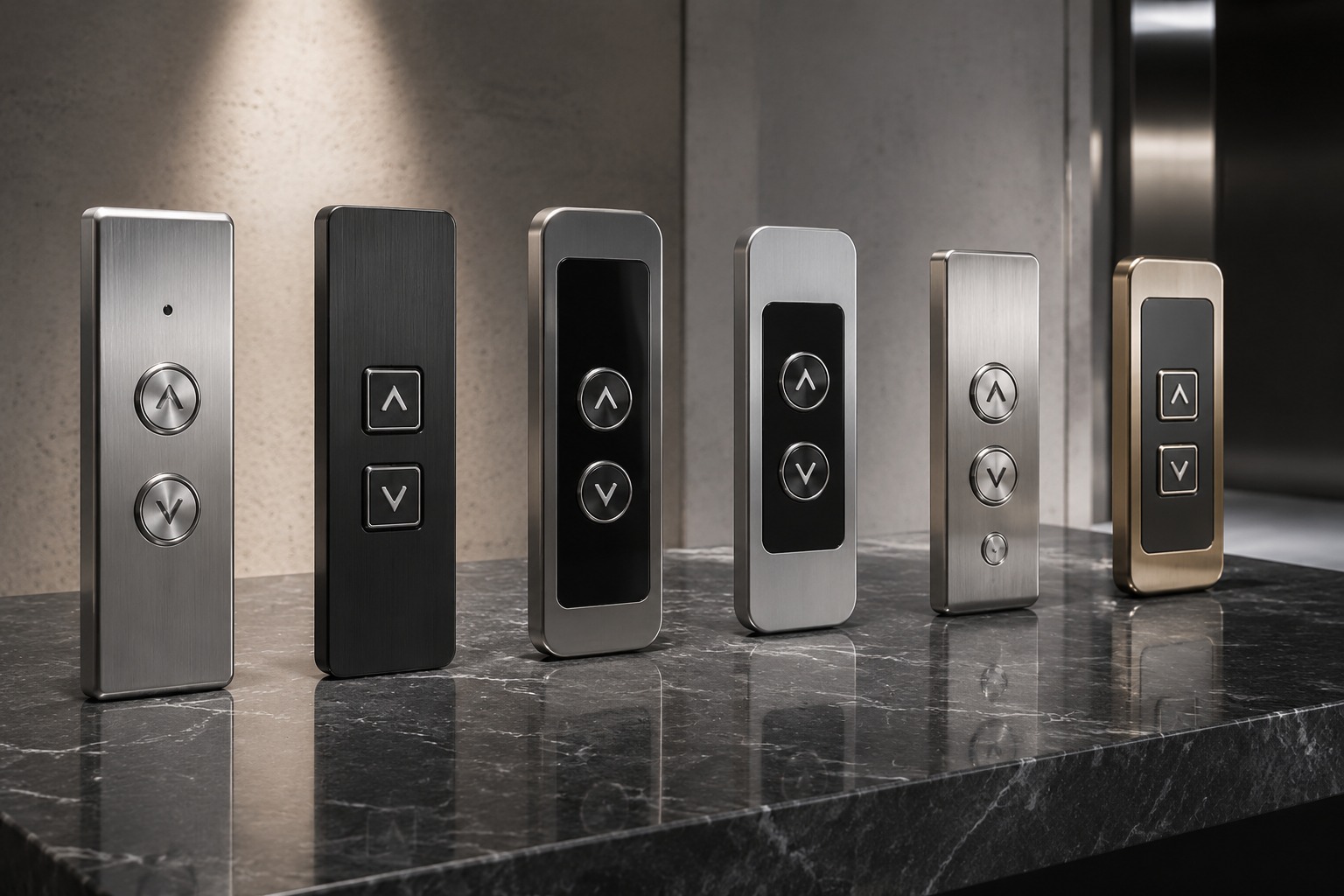
Service capability includes responsive communication, careful model matching, realistic lead-time guidance, and support for maintenance companies, distributors, building owners, and modernization contractors. Buyers in the Philippines often manage mixed inventories for brands such as Hitachi, Toshiba, KONE, Mitsubishi, and others. A supplier that can respond quickly, confirm details, and help reduce downtime becomes a practical partner instead of only a vendor.
Testing After Installation
Testing after installation is the final step that confirms whether the replacement was successful. Never assume that a panel is correct just because it powers on. A proper test should check mechanical fit, button travel, illumination, call registration, directional response, indicator visibility, plate stability, and visual consistency with surrounding fixtures. If the part was installed as part of a larger modernization package, confirm integration with hall lanterns, floor displays, and controller logic where applicable.
Start with a static inspection. Make sure the faceplate sits flush, the screws are secure, and no edge gap is visible. Then perform repeated button presses to verify consistent actuation. Observe whether the button lights immediately and whether the registered call clears correctly after service. On hall call panels, test both up and down directions where applicable. In multi-elevator groups, confirm that the assigned response appears normal and that there is no delayed or double-registration issue.
After functional testing, complete a visual review under normal lobby lighting and evening lighting if possible. This is valuable in hotels, office lobbies, and condominium entrances where reflections can make some indicators appear dimmer. Finally, document the installed part number, measurements, date, and site photos. This helps future maintenance teams source the same item again and supports better stock planning.
| Test Step | Purpose | Method | Pass Condition | Failure Sign | Follow-up Action |
|---|---|---|---|---|---|
| Mechanical fit check | Confirm proper mounting | Inspect flushness and screws | Plate sits evenly and firmly | Movement or visible gap | Re-mount or verify dimensions |
| Button actuation test | Check tactile response | Press multiple times | Smooth and repeatable operation | Sticky or inconsistent press | Inspect switch assembly |
| Illumination test | Verify lighting circuit | Observe active and idle states | Correct brightness and color | No light or uneven light | Check voltage and wiring |
| Call registration test | Confirm signal transmission | Place live call | Call accepted immediately | No response or delayed response | Inspect contacts and terminals |
| Direction test | Validate up/down functions | Test both arrows if applicable | Correct directional service | Wrong or failed direction | Review wiring mapping |
| Final appearance review | Check project finish quality | Inspect under site lighting | Matches surrounding fixtures | Obvious mismatch or scratches | Replace cosmetic component |
This testing sequence is especially important in busy sites where callbacks disrupt building operations and tenant confidence.
Buying advice for the Philippines market
When buying elevator buttons or outbound call panels in the Philippines, ask for front and rear photos, dimensions in millimeters, voltage details, and application notes before confirming the order. If possible, provide the old part label, elevator brand, installation location, and panel measurements. This is particularly helpful for mixed-brand properties and older modernized lifts where records may be incomplete. Also consider whether you need a single urgent replacement, a building-wide cosmetic refresh, or recurring maintenance stock for multiple sites.
Applications and industries
These parts are widely used across condominiums, office towers, hospitals, hotels, shopping centers, schools, warehouses, and industrial facilities. In many of these sectors, elevator availability directly affects tenant movement, patient flow, guest experience, or goods handling. Even a small button failure can create user complaints far beyond the cost of the part itself.
Case examples
In a residential tower in Pasig, replacing only several worn hall call buttons with mismatched brightness led to occupant complaints, so the property later changed the entire landing fixture set. In a Cebu hospital upgrade, a brighter, clearer hall panel improved usability for visitors and reduced confusion during peak outpatient hours. In a Makati office building, careful faceplate measurement avoided wall rework and helped the contractor complete modernization on schedule.
Working with local suppliers and sourcing partners
Local availability is valuable, but the best sourcing result often comes from suppliers that combine broad parts access with accurate matching support. For time-sensitive projects in Metro Manila, Cebu, Davao, Subic, and Batangas, buyers usually prioritize stable quality, secure packaging, and quick confirmation of compatibility over the lowest headline price.
FAQ About Elevator Buttons
1. How do I know if a round push button is compatible with my elevator?
Check the diameter, rear depth, voltage, contact type, terminal layout, and the exact application location. Front appearance alone is not enough.
2. Can I replace only the button and keep the old faceplate?
Yes, if the cutout, fixing method, and finish still match well. However, if the faceplate is scratched, corroded, or dimensionally inconsistent, replacing the complete assembly may give a better result.
3. Why does the new button press correctly but the light does not turn on?
Common causes include voltage mismatch, reversed polarity, separate lamp circuit issues, or a connector difference between the old and new units.
4. What is the most common mistake when ordering an outbound call panel?
The most common mistake is assuming that similar front appearance means full compatibility. Box depth, screw spacing, and wiring style often differ.
5. Are LED indicators better than older lamp types?
In many cases, yes. LED indicators usually offer longer service life, lower energy use, and better brightness consistency, which is why they are becoming more common in modernization work.
6. Should hospitals and malls use different panel specifications?
Usually yes. Hospitals often prioritize accessibility, clear indication, and cleaning tolerance, while malls often need stronger resistance to heavy daily use.
7. How important is braille on elevator buttons?
It is important for accessibility and user confidence. In public-facing buildings, clear tactile identification is a practical and responsible design feature.
8. What should be documented after installation?
Record the installed part, dimensions, voltage, date, site location, and photos. This makes future replacements much easier and helps standardize stock.
9. What 2026 trends should buyers watch?
Expect more LED standardization, stronger sustainability preferences, better maintenance traceability, increased focus on accessible design, and more demand for durable replacement parts that reduce lifecycle cost.
10. Why work with a specialized elevator parts supplier?
Because model matching, quality consistency, secure packaging, and responsive service reduce downtime and lower the risk of ordering parts that fit poorly or fail early.
Choosing the right elevator push button or outbound call panel is ultimately about reducing risk. In the Philippines, where buildings range from older commercial towers to new mixed-use developments, careful attention to panel type, fit, wiring, and durability can save significant time and cost. Whether you are replacing a single round push button or planning a multi-floor hall fixture upgrade, accurate matching and proper post-installation testing are the best ways to keep elevator systems usable, reliable, and visually consistent.