
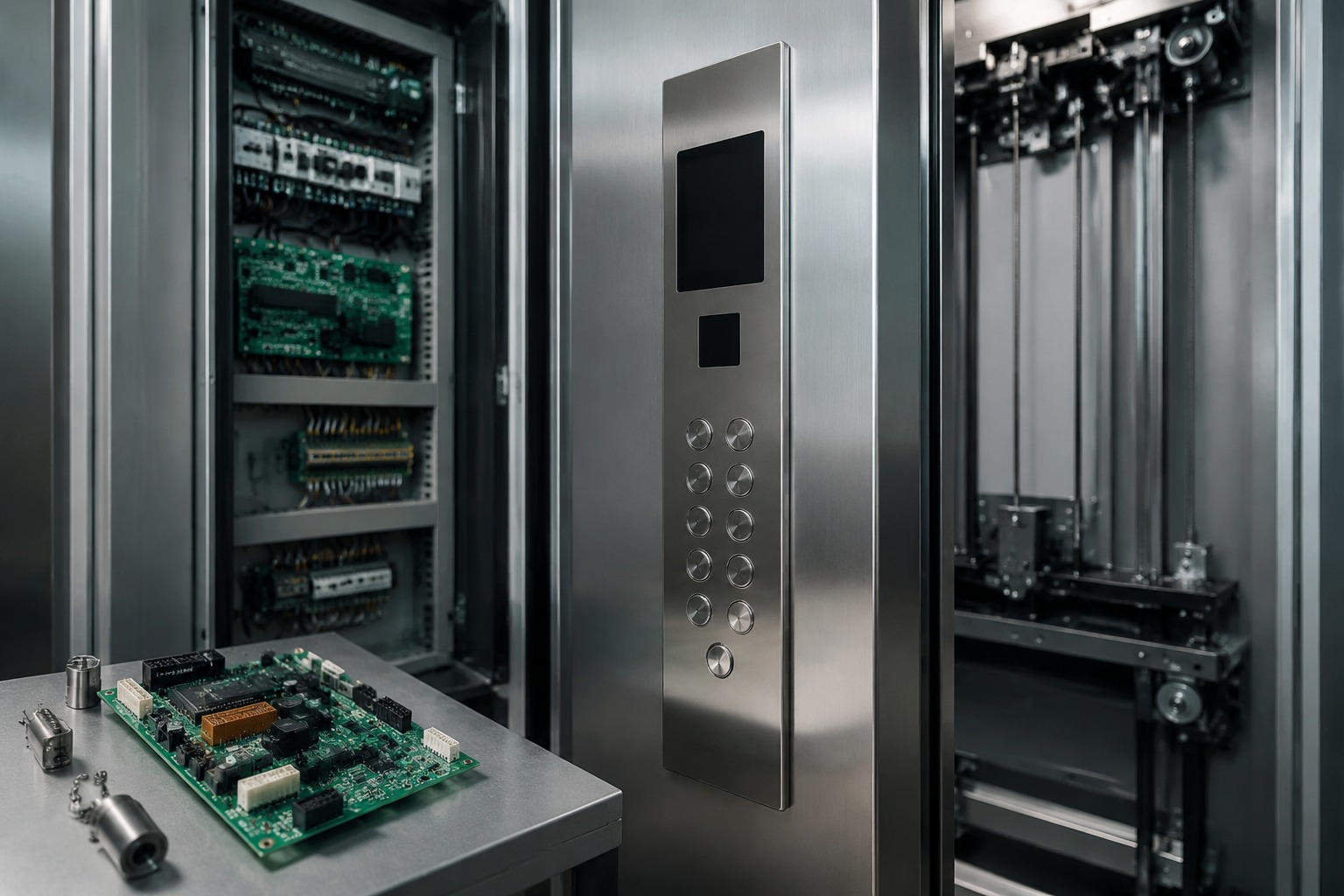
An elevator car operating panel, often called a COP, is one of the most visible and frequently used parts inside any lift car. It is where passengers press floor buttons, read floor position indicators, access emergency communication, and interact with the elevator system every day. In the Philippines, where elevators serve mixed-use towers in Metro Manila, hotels in Cebu, hospitals in Davao, industrial sites near Batangas, and residential developments in Quezon City, the right COP design affects safety, usability, appearance, and maintenance efficiency.
For building owners, contractors, and maintenance companies, COP customization is not only about choosing a stainless faceplate or a modern display. It also involves button layout, engraving, braille, wiring, controller matching, vandal resistance, service access, and long-term parts support. A well-matched elevator car panel helps reduce nuisance faults, improves passenger confidence, supports accessibility compliance, and makes modernization projects smoother.
This guide explains what a COP includes, how to choose buttons and displays, how to customize elevator car panels for different building types, what accessibility and durability factors matter most, and how to check wiring and controller compatibility before installation. It also looks at market demand in the Philippines and shares practical buying advice for replacement and modernization work.
If you are comparing supply options for a new project or replacement job, it helps to review actual elevator car control panel and car button display customization options early in the process. For projects that also need landing call equipment, some buyers in the Philippines source related items such as Hitachi outbound call panel components or alternative lift outbound call panel parts at the same time to keep design language and electrical matching more consistent across the installation.
In simple terms, a good COP should do four things at once: guide passengers clearly, withstand daily use, integrate reliably with the elevator controller, and remain serviceable for years. That balance is especially important in the Philippines, where traffic intensity, coastal humidity, modernization cycles, and mixed imported equipment brands make parts matching a critical purchasing step.
What an Elevator COP Usually Includes
A car operating panel is more than a row of floor buttons. Depending on the lift type and building specification, the assembly may include a combination of mechanical, electrical, and interface parts. In high-rise offices in Makati or BGC, the COP may also work with access control, destination features, and multilingual labels. In residential towers, the focus may be compact design and easy maintenance. In hospitals, large tactile controls and clear indicators become more important.
| Component | Main Function | Why It Matters | Common Material or Format | Typical Service Concern | Best Fit Applications |
|---|---|---|---|---|---|
| Floor buttons | Select destination floors | Passenger interaction every trip | Metal or polycarbonate illuminated push buttons | Wear, sticking, lamp failure | All buildings |
| Door open and close buttons | Control door timing manually | Helps users with baggage, carts, or mobility needs | Icon-labeled push buttons | Frequent pressing in busy sites | Residential, retail, hospital |
| Alarm button | Triggers emergency signal | Critical safety feature | Red or clearly marked button | False triggers, wiring faults | All buildings |
| Intercom or emergency phone | Connects trapped passengers to help | Supports emergency response | Speaker grille, mic, handset-free module | Audio clarity, line compatibility | All buildings |
| Floor position display | Shows current floor and direction | Improves passenger orientation | LED, LCD, segment display | Brightness mismatch, signal format issues | Mid-rise and high-rise |
| Faceplate | Houses and protects the controls | Defines appearance and durability | Stainless steel, hairline, mirror, powder-coated | Scratches, corrosion, poor fit | All buildings |
| Braille and tactile markings | Support accessible use | Important for visual impairment access | Embossed or engraved labels | Misplacement or weak readability | Public and regulated spaces |
The table above shows that the COP is both a passenger interface and a service component. The best results come when layout, electronics, and panel finishing are reviewed together rather than as separate purchases. For modernization work in older buildings in Manila, Pasig, or Ortigas, installers often discover that the visible panel is only one part of the challenge; connector types, display voltage, signal logic, and mounting dimensions are just as important.
Many buyers also overlook service access. A COP should allow technicians to remove or replace button modules, inspect wiring, and test indicators without damaging the faceplate. This matters when lifts are in heavy daily operation and downtime directly affects tenants or visitors.
The growth trend above reflects the rising need for replacement and modernization parts as more commercial and residential buildings age, while newer developments demand matching aesthetics and updated accessibility features. The Philippines market is particularly active in cities where vertical development continues and lift uptime has direct business value.
Button Display and Faceplate Choices
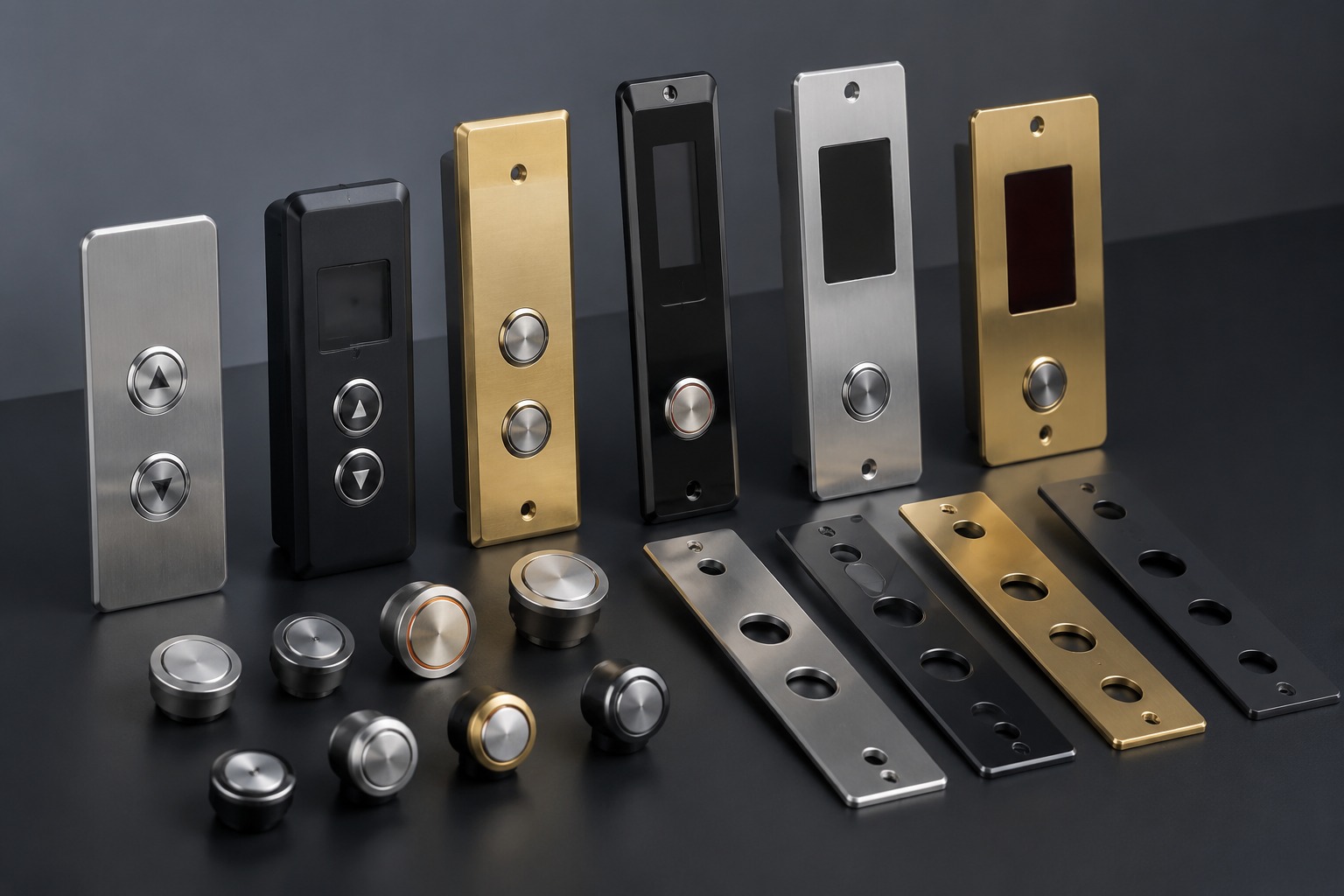
The visible design of the COP strongly shapes passenger impressions. Buttons, displays, and faceplates communicate quality before a rider even reaches the destination floor. In premium office towers, clean lines and crisp illumination signal a professional environment. In hospitals, large readable displays and highly legible symbols reduce confusion. In budget residential buildings, durability and easy replacement may matter more than a luxury finish.
Button selection starts with the operating environment. Round metal buttons with halo illumination remain popular because they balance durability, readability, and classic appearance. Square buttons can support more contemporary styling and slightly larger label areas. Raised numerals, braille dots, and directional arrows should remain sharp and durable over time, especially in buildings with heavy traffic from schools, clinics, public offices, and transport-connected developments.
| Option | Appearance | Strength | Possible Limitation | Recommended Buildings | Maintenance Note |
|---|---|---|---|---|---|
| Round metal illuminated buttons | Classic and professional | High mechanical durability | May cost more than plastic types | Office, hotel, condo | Check lamp or LED life |
| Square flush buttons | Modern and clean | Good label visibility | May show edge wear if low-grade | Retail, mixed-use | Confirm exact cutout size |
| Segment LED display | Simple and bright | Easy to read from distance | Less visually refined | Residential, service lifts | Match voltage and signal |
| Dot matrix display | Flexible messages | Can show arrows and text | Needs compatible controller output | Commercial and public buildings | Verify communication protocol |
| Hairline stainless faceplate | Practical and elegant | Scratch resistance is balanced | Fingerprints still visible | Most modern buildings | Inspect edge finishing |
| Mirror stainless faceplate | Premium visual effect | Strong base material | Shows smudges and scratches faster | Hotels, prestige lobbies | Needs careful cleaning |
| Powder-coated faceplate | Color-customizable | Good design flexibility | Coating quality varies by supplier | Schools, themed interiors | Check chip resistance |
The best display choice often depends on viewing distance, car lighting, and controller capability. A compact passenger lift in a low-rise building may only need a basic segmented indicator. A high-end development in Bonifacio Global City may prefer sleek displays that match architectural finishes. In public-facing sites such as malls near EDSA or transport-linked commercial centers in Cebu, brightness and contrast should be prioritized to remain visible under mixed lighting conditions.
Faceplate thickness and edge finishing also deserve attention. A panel that looks good in photos can still feel weak if sheet metal flexes under use. That is why buyers should ask about material thickness, panel reinforcement, mounting method, and back-side protection. These details affect long-term rigidity and can prevent vibration noise or misalignment of buttons over time.
How to Customize Elevator Car Panels
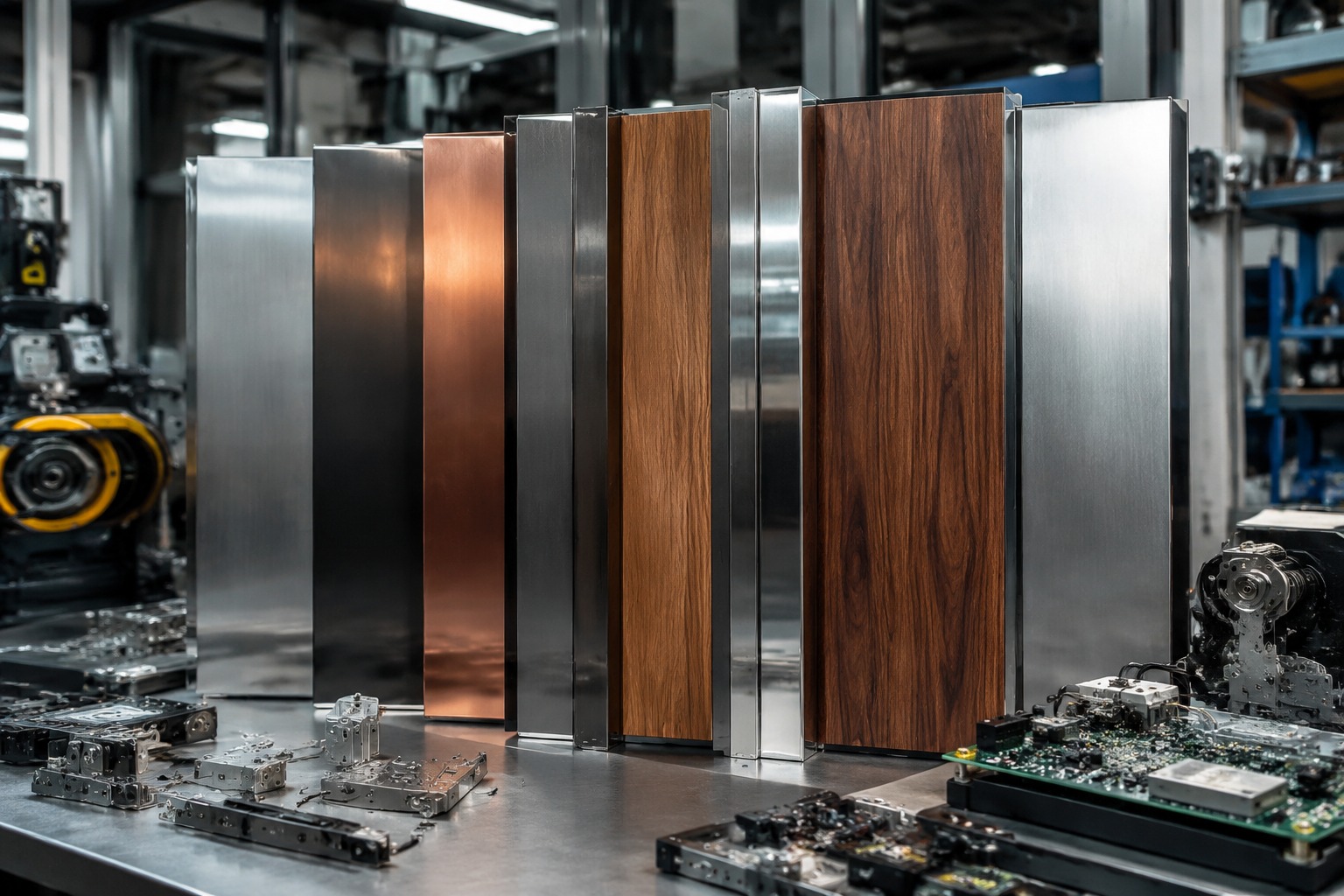
COP customization should begin with the actual site condition and project objective. A full new installation, a selective modernization, and a one-for-one replacement all require different approaches. In older properties, a fully custom panel may be the most efficient route if the original model is obsolete. In newer projects, builders often want a branded finish that aligns with the lobby interior, corridor signage, and landing fixtures.
Customization typically covers dimensions, hole layout, button style, display type, engraving, logos, braille placement, material finish, and internal wiring arrangements. It can also include integrated access control such as card reader windows, key switches, firefighter controls, service mode selections, speaker openings, and hidden maintenance access points.
| Customization Area | What Can Be Changed | Project Benefit | Risk if Ignored | Data Needed Before Order | Typical Buyer |
|---|---|---|---|---|---|
| Panel size and mounting | Height, width, screw positions, cutouts | Ensures direct fit in existing car wall | Rework on site | Drawings, measurements, photos | Modernization contractor |
| Button arrangement | Floor order, spacing, emergency controls | Improves passenger flow and code alignment | User confusion | Floor list, traffic pattern | Building owner |
| Display style | LED, LCD, dot matrix, arrows | Matches brand image and readability needs | Weak visibility or incompatibility | Voltage, signal type | Consultant or engineer |
| Surface finish | Hairline, mirror, coated color | Coordinates with interior design | Visual mismatch | Material sample or finish code | Architect |
| Accessibility features | Braille, raised text, contrast | Supports inclusive use | Compliance issues | Required layout standard | Public facility operator |
| Access and security additions | Card reader, key switch, lockable access | Controls floor access | Security weakness | Security system interface data | Office tower operator |
| Branding details | Logo, font style, numbering system | Creates unified building identity | Generic appearance | Artwork and approval drawing | Developer |
When ordering a custom COP, the most useful information usually includes front and rear photos of the old panel, exact dimensions, button count, floor naming format, connector photos, controller brand, and voltage details. This is especially relevant for mixed-brand sites in the Philippines where older equipment may have been partially upgraded over time. A tower in Manila may have a controller modernization from one supplier but retain legacy car fixtures from another. Without clear verification, a replacement panel can arrive with the correct appearance but incorrect electrical matching.
Customization decisions should also consider lead time. Special finishes, rare button sizes, and unique display protocols can extend production and verification time. For critical buildings such as hospitals, business process outsourcing offices, or export manufacturing plants near Laguna and Cavite, it is often worth approving drawings carefully in advance to reduce costly delays.
The area chart highlights the market shift from basic replacement panels to more customized, building-specific COP solutions. This trend is expected to continue into 2026 as property owners in the Philippines prioritize modernization, accessibility, and stronger visual identity across elevators and shared spaces.
Accessibility and Durability Considerations
Accessibility and durability should never be treated as optional add-ons. They are core performance criteria. In elevator use, passengers have only a few seconds to identify the correct controls, and not all users have the same visual, physical, or cognitive abilities. At the same time, the COP must endure constant pressing, cleaning chemicals, vibration, humidity, and occasional impact.
Accessibility begins with intuitive layout. Frequently used buttons should be easy to reach and clearly separated. Braille should be correctly aligned with floor labels, and tactile feedback should be strong enough for confident use. Illumination must clearly confirm button registration without glare. For elderly residents, wheelchair users, and visitors unfamiliar with the building, these details make a real difference.
| Factor | Why It Matters | Good Practice | Poor Practice | Buildings Where Critical | Inspection Tip |
|---|---|---|---|---|---|
| Braille accuracy | Supports visually impaired users | Correct position beside each floor marking | Random or inconsistent placement | Public offices, hospitals, schools | Check approved artwork carefully |
| Tactile button feel | Confirms activation | Clear press response | Soft or vague travel | All passenger lifts | Test sample by hand |
| Contrast and readability | Improves quick recognition | Bright labels, visible arrows | Low contrast polished surfaces | Retail, transport, hospitals | View under actual lighting |
| Corrosion resistance | Important in humid and coastal areas | Quality stainless and sealed electronics | Thin low-grade metal | Cebu, Batangas, Subic, Davao | Ask material grade details |
| Vandal resistance | Protects public-use elevators | Robust metal buttons and reinforced panel | Fragile covers and exposed edges | Schools, terminals, public housing | Inspect mounting strength |
| Cleaning tolerance | Maintains hygiene and appearance | Stable finish under regular cleaning | Coating that fades quickly | Hospitals, hotels, offices | Request finish durability data |
| Environmental sealing | Protects internal electrical parts | Managed wire routing and shielded areas | Open gaps behind modules | Industrial and service lifts | Review rear assembly photos |
In the Philippines, durability is strongly affected by climate and usage intensity. Coastal properties around Cebu, Iloilo, and parts of Mindanao may face higher corrosion risk. Office towers near major business districts can experience peak-hour traffic that accelerates button wear. Hospitals and food-related facilities often require more frequent cleaning, which puts stress on labels, coatings, and display windows.
By 2026, accessibility expectations are likely to expand further with stronger attention to inclusive design, clearer emergency communication, and more readable user interfaces. Sustainability will also influence material selection, pushing more projects toward long-life components, better serviceability, and reduced waste from frequent panel replacement.
Matching COP Design with Building Use
The right COP for a luxury hotel is not always the right COP for a logistics warehouse, a government office, or a student housing tower. Matching the design with building use helps balance appearance, durability, and budget. It also improves passenger experience because the interface fits actual traffic patterns and user behavior.
For example, a premium hotel in Makati may prefer refined lighting, polished details, and quiet tactile action because the elevator ride is part of the guest experience. A hospital in Quezon City or Davao may prioritize large buttons, high contrast, and clear emergency communication. A residential condominium in Pasay may focus on reliable access control integration and practical cleaning resistance. Industrial sites near ports or manufacturing hubs like Batangas and Laguna often need simple, robust panels with minimal decorative features and easy replacement modules.
| Building Type | Top Design Priority | Best Button Style | Best Faceplate Style | Display Preference | Special Note |
|---|---|---|---|---|---|
| Office tower | Professional appearance and uptime | Metal illuminated buttons | Hairline stainless | Bright direction and floor display | May need access control integration |
| Hotel | Premium guest experience | Quiet premium tactile buttons | Mirror or refined hairline finish | Elegant high-visibility display | Branding consistency matters |
| Residential condo | Durability and simple operation | Standard metal buttons | Hairline stainless | Clear basic floor display | Card reader cutouts may be required |
| Hospital | Accessibility and hygiene | Large tactile buttons | Easy-clean stainless finish | High contrast display | Consider stretcher and service traffic |
| Retail mall | Fast recognition and toughness | Vandal-resistant illuminated buttons | Reinforced stainless panel | Very bright display | Handles high public traffic |
| Industrial or warehouse | Function over aesthetics | Heavy-duty buttons | Practical reinforced plate | Simple LED display | Easy service access is essential |
| Government or school building | Accessibility and abuse resistance | Robust tactile buttons | Durable anti-scratch finish | Legible high-contrast display | Label clarity is very important |
This table shows that there is no single best COP configuration. The correct choice depends on how the elevator is used, who uses it, and how often it is serviced. Buyers who match panel design to building function usually get better lifecycle value than those who choose purely by initial appearance or lowest price.
The industry demand chart reflects how residential and office sectors continue to drive a large portion of COP replacement and customization work in the Philippines, while hospitality, healthcare, and retail remain important for higher-specification panels.
Wiring and Controller Compatibility
Electrical compatibility is often the deciding factor between a successful installation and a costly delay. Even if a panel has the correct dimensions and visual finish, it may still fail if the button contacts, lamp voltage, display signals, connector types, or communication logic do not match the elevator controller.
Compatibility checks should include controller brand, COP model, number of floors, display type, signal definition, terminal arrangement, connector photos, power supply rating, and any integrated accessories such as intercom, card reader, or key switch. This is especially critical for branded systems like Hitachi, Toshiba, KONE, Mitsubishi, and other units found across the Philippines, where different model generations can use different wiring logic even within the same brand family.
For modernization contractors, the safest method is to compare both visual and electrical references: original part numbers if available, rear panel photos, wiring labels, and controller documentation. If the building has undergone prior retrofits, do not assume the visible fixture still matches the original controller configuration.
Our role in this area is usually practical rather than theoretical. On the technology side, we help customers verify model matching through photos, part references, interface review, and application-specific checks for elevator control boards, displays, buttons, and related lift accessories. On the manufacturing side, accurate hole positioning, stable assembly methods, and controlled wiring preparation reduce avoidable installation issues. On the service side, responsive communication during matching and pre-shipment confirmation helps maintenance companies and distributors in the Philippines shorten downtime and order more confidently.
Quality Checks Before Installation
Quality inspection should happen before the panel reaches the job site and again before it is energized. This process saves time because once a lift is out of service, every extra hour matters. Good quality checks cover appearance, fit, electrical behavior, labeling accuracy, and packaging protection.
A pre-installation inspection should confirm that the faceplate finish matches the approved sample, button legends are correct, braille is properly positioned, mounting points line up, and cable lengths are sufficient. Electrical testing should confirm button continuity, LED or lamp function, display response, and any intercom or alarm circuit behavior as specified.
Packaging also matters more than many buyers expect. A well-made COP can still arrive damaged if the faceplate is not protected from scratches or if button modules shift during shipping. For parts moving through Manila, Cebu, or Davao logistics chains, and sometimes onward to provincial job sites, protective packing reduces the risk of receiving a cosmetically or mechanically compromised unit.
The comparison chart shows what many local buyers value most when selecting a COP supplier: accurate compatibility support, stable quality inspection, secure packaging, and fast response during the order cycle. These priorities are common among maintenance companies working under service deadlines and building owners trying to minimize elevator downtime.
When choosing a supplier, ask practical questions:
- Can the supplier review photos and drawings before production or dispatch?
- Can they confirm compatibility with the target controller or existing fixture?
- Do they provide protective packaging for polished or custom-finish faceplates?
- Can they support branded replacement needs and modernization requirements?
- Are button modules, displays, and related accessories available as part of a broader parts supply program?
These questions matter because elevator maintenance in the Philippines often depends on quick sourcing of compatible replacement parts, not just on access to generic components. A supplier that understands elevator parts matching can help reduce repeat orders, misfit risk, and extended outages.
In terms of internal capability, buyers usually benefit from three strengths. First, technological capability: the supplier should be able to assess model references, compare controller-side details, and support application matching across elevator electronics and fixtures. Second, manufacturing capability: the supplier should maintain consistent panel fabrication, stable button assembly, and dependable inspection standards. Third, service capability: the supplier should respond clearly, verify critical details before shipment, and pack parts carefully for domestic delivery chains and international transit into the Philippines.
FAQ About Elevator COP Panels
What is the difference between a standard COP and a customized COP?
A standard COP follows a common size, layout, and finish. A customized COP is built or configured to suit a specific elevator model, building aesthetic, control requirement, or retrofit condition. Customization may involve dimensions, button count, display type, finish, wiring, braille, and access control integration.
Can I replace only the buttons and keep the original faceplate?
Yes, in some cases. If the faceplate is structurally sound and the button cutouts match available replacement modules, a partial upgrade can be cost-effective. However, if the panel is scratched, outdated, corroded, or dimensionally incompatible with new modules, a full COP replacement is usually better.
How do I know whether a COP is compatible with my elevator controller?
You should verify the controller brand, model, voltage, display signal type, connector arrangement, and wiring labels. Photos of the old panel front and rear are very helpful. Part numbers, if still readable, can speed up matching.
Are stainless steel faceplates always the best choice?
Stainless steel is often the most balanced option because it combines strength, appearance, and good corrosion resistance. But the best finish still depends on budget, building use, cleaning routine, and desired appearance. Hairline stainless is usually more forgiving than mirror finish in daily use.
What accessibility features should be included?
At minimum, clear floor labels, tactile buttons, and properly placed braille should be considered. High-contrast indicators, readable displays, and intuitive spacing also improve accessibility. Public-use buildings should place extra attention on these details.
Which buildings in the Philippines most often need COP customization?
Older office towers, hotels undergoing refresh work, mixed-use developments, hospitals, and residential condominiums often need customized COP solutions. This is common in Metro Manila, Cebu, Davao, and other active urban centers where modernization and tenant expectations are rising.
How important is protective packaging for COP panels?
Very important. Scratches, bent edges, broken display windows, and loose button modules can happen during shipping if packaging is weak. This is especially true for polished finishes and long-distance transport to provincial project sites.
Can COP panels be matched for brand-specific elevator systems?
Yes, many projects require matching for systems associated with brands such as Hitachi, Toshiba, KONE, Mitsubishi, and others. Accurate model identification and photo verification are essential because similar-looking panels may not share the same electrical configuration.
What trends should buyers watch in 2026?
Expect growing demand for energy-efficient indicators, longer-life LED modules, easier-to-service panel designs, stronger accessibility standards, and more sustainable material choices. There will also be continued interest in modernization packages that unify COPs, landing fixtures, and controller-side parts for better lifecycle maintenance.
What is the best buying advice for maintenance companies and building owners?
Do not buy on appearance alone. Start with compatibility, then evaluate durability, accessibility, serviceability, finish quality, and supplier responsiveness. A lower upfront price can become expensive if the panel causes downtime, rework, or repeat sourcing.
Buying Advice for the Philippines Market
For buyers in the Philippines, the smartest COP purchasing decisions usually combine local project knowledge with disciplined part verification. Buildings near major commercial zones such as Makati, Ortigas, BGC, Cebu IT Park, and Davao business districts often cannot tolerate long elevator downtime. In these environments, replacement speed matters, but so does the confidence that the panel will fit and function correctly.
When evaluating suppliers, consider whether they can support broader elevator parts needs beyond the visible COP. Many maintenance companies prefer suppliers that also understand control boards, door operator components, light curtains, guide shoes, sensors, encoders, power supplies, intercom parts, and lift accessories because real elevator repairs often involve more than one item at a time. This kind of coordinated sourcing can simplify troubleshooting and reduce follow-up delays.
If your project includes modernization across the car and landing stations, review not only the COP appearance but also matching hall call fixtures, display style, and electrical interface plans. This helps create a cleaner result for passengers and a more manageable maintenance setup for technicians.
A well-chosen elevator COP improves more than aesthetics. It supports building reputation, daily usability, safety confidence, and long-term maintenance efficiency. In a fast-developing market like the Philippines, where elevator availability directly affects residents, staff, visitors, and commercial operations, the value of a reliable and well-matched car operating panel should not be underestimated.